Step 1 · Topic
Families, marriages and names
An agnatic kinship system, names that state filiation, weddings celebrated over several days.


Guided tours · 7 steps
The women and families of the Saghro, between written sources and oral memory.
Ahidous from south-eastern Morocco at the Marrakesh national folklore festival (c. 1970) — Nationaal Museum van Wereldculturen (Tropenmuseum, Amsterdam), CC BY-SA 3.0
Step 1 · Topic
An agnatic kinship system, names that state filiation, weddings celebrated over several days.
Step 2 · Topic
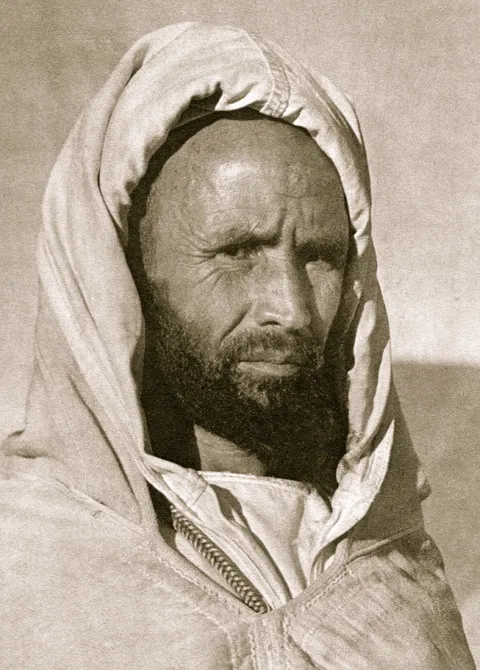
White turban and beard for men, indigo veils and silver for women, a variety of Tamazight.

Step 3 · Topic
What the sources really allow us to say about the defenders of 1933 (their words, their conditions, their endurance) and what they leave unsaid.

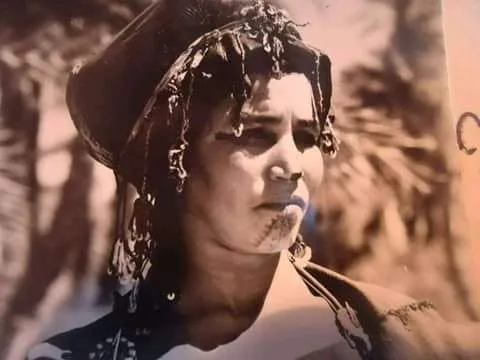
Step 5 · Person
A woman of the Saghro whom local memory makes a figure of the Bougafer resistance (1933).
Step 6 · Topic
Amazigh poems from the Central Atlas, collected after the conquest, name the aeroplane, the cannon and the disaster.
Step 7 · Topic
In France, the cult of Bournazel; in Morocco, a battle that became an episode of the national struggle, and witnesses whose words are only beginning to be collected.
